Mattress materials · Chicago sleep guide
Inside a Vispring Mattress: How Pocketed Coils Shape Support and Comfort
A mattress’s springs do more than add bounce. Their arrangement, the layers above them, and the way the whole bed is assembled all influence how it supports the body, responds to movement, and feels at its edges. Here’s how to look past the label and assess whether a pocketed-coil mattress suits your sleep.
Published October 12, 2026
A well-made mattress is a study in balance: structure and softness, responsiveness and stillness, comfort at first touch and dependable support through the night. In a pocket-spring design, that balance begins with a collection of individual coils, each enclosed in its own fabric pocket. Rather than relying on one interconnected spring unit, the springs can compress more independently, responding to pressure where it is applied.
That basic construction is one reason pocketed coils remain a compelling option for people comparing mattress materials. But “pocket spring” is not a complete description of how a bed will feel. Coil count, spring shape and tension, comfort layers, upholstery, edge construction, and the mattress’s overall design all matter. When you’re exploring a Vispring mattress, the useful question is not simply whether it contains coils. It is how those coils work with the rest of the mattress—and whether that design aligns with your needs.
For Chicago shoppers, where apartment layouts, shared walls, changing seasons, and a wide range of bedroom sizes can shape a purchase, a considered approach is especially valuable. A mattress should fit the room, the sleeper, and the realities of daily life—not just an appealing description or a firmness number.
What pocketed coils actually do
In a traditional interconnected spring system, coils are linked so that pressure in one area can influence neighboring springs. Pocketed coils are individually wrapped, allowing each spring to move with greater independence. When a sleeper presses down on the surface, the nearby coils compress in response, while those farther away may move less. The result can be a more localized response than a mattress built around a single connected unit.
That localized movement can help a mattress adapt to different pressure points across the body. Shoulders and hips, for example, typically press more deeply into the bed than lighter areas. How effectively a mattress accommodates those contours depends on more than its spring core: the comfort layers above the coils must also cushion and distribute pressure appropriately.
There is no single pocket-coil recipe. Springs may vary in height, gauge, shape, and tension, and manufacturers can combine multiple spring units or other materials in one mattress. Some designs prioritize a lively, buoyant feel; others feel more substantial or cushioned. Even two mattresses described as pocket-spring models may behave quite differently. The construction details—and, ultimately, an in-person trial—tell a richer story than the category name alone.
Support is a whole-mattress conversation
Support is sometimes mistaken for firmness, but the terms describe different qualities. Firmness is the initial impression of how hard or soft the surface feels. Support refers more broadly to how well the mattress helps maintain a comfortable, balanced sleeping posture. A mattress can feel plush at the surface while still providing a stable foundation beneath it; a very firm mattress is not automatically supportive for every person.
In a pocketed-coil mattress, springs contribute to the foundation, but comfort layers shape the first impression and help manage pressure. Foam, latex, wool, cotton, or other upholstery materials can change how quickly the surface responds, how deeply a sleeper settles, and whether the bed feels buoyant or enveloping. The way layers are arranged and joined also affects the overall character of the mattress.
Rather than searching for a universal ideal, consider how your body meets the bed. Does the mattress allow your shoulders and hips to settle without feeling trapped? Does your waist feel supported? Can you change position easily? These practical questions are more useful than assuming a particular coil construction will deliver the right fit for everyone.
People who share a bed may have different needs, weights, and preferred positions. A mattress that feels comfortable to one partner may seem too soft or too firm to the other. If possible, both sleepers should test the bed together, lying in their usual positions for several minutes. A quick sit or bounce on the edge can’t reveal how the mattress feels over a full night.
Movement, motion, and the shared bed
Because pocketed coils can move more independently than interconnected springs, they may limit the spread of movement across the surface. For couples, that can be an appealing quality: a partner’s change of position may be less noticeable than on some highly responsive, connected designs. But motion isolation is never guaranteed by the word “pocketed” alone.
The full mattress matters. Comfort materials can absorb or transmit movement, and the firmness and construction of the spring unit also influence how the surface reacts. A mattress with a lively, springy feel may make movement easier to sense, even when its coils are individually wrapped. Conversely, a more cushioning surface can soften the impression of small movements. If motion is a concern, test the mattress with your partner rather than relying on a technical description.
Consider your own habits, too. Do you get in and out of bed often? Are you a restless sleeper? Is one partner especially sensitive to movement? A bed that feels calm and composed during a showroom trial may behave differently in a quiet bedroom at night, so make sure you understand the retailer’s trial, return, and exchange terms before purchasing.
Edge feel: the perimeter matters
Edge support describes how stable the sides of a mattress feel when you sit or sleep near the perimeter. It can affect how much of the bed feels usable, whether getting dressed on the edge is comfortable, and how secure the mattress feels when a sleeper moves toward the side. In a smaller bedroom, where the bed may sit close to a wall or furniture, that usable surface can matter.
Edges are not determined by pocket coils alone. Some mattresses reinforce the perimeter with firmer materials or additional structural elements; others rely on the overall design of the spring unit and upholstery. Ask how a particular model is constructed rather than assuming that every coil mattress offers the same stability at the sides.
To evaluate edge feel, sit on the side and notice whether it compresses more than you prefer. Then lie near the edge in your normal sleeping position. A little give is normal; the question is whether the mattress feels secure and comfortable for the way you use it. If you share a bed, repeat the test on both sides.
The role of comfort layers and natural materials
The spring core may provide structure, but the layers above it are central to the tactile experience. They influence cushioning, temperature perception, and how quickly the surface responds as you move. A mattress with pocketed coils can feel distinctly different depending on whether its comfort system is thin or generous, resilient or slow-moving, firm or yielding.
Natural fibers and other upholstery materials are sometimes chosen for their particular feel and construction qualities. Wool, for example, is used in bedding and mattress layers for its soft, adaptable character; cotton offers a familiar textile feel. Materials vary by grade, density, preparation, and placement, so the presence of a named fiber does not, on its own, explain the mattress’s performance. Look for clear information about the actual model and how its layers are assembled.
If you are comparing mattresses with an interest in material composition, a conventional innerspring model can offer a useful point of reference. The Sachi Organics Innerspring Mattress, for example, is described as a hand-tufted, two-sided mattress with a recycled-steel offset coil core, organic cotton and wool batting, and an organic cotton fabric. These details make it a distinct construction to compare with other coil-based beds; they do not imply that it will feel the same as a Vispring mattress or suit every sleeper. Compare each model’s specifications, surface feel, care requirements, and trial terms individually.
Firmness, sleeping position, and personal fit
Sleeping position can offer a helpful starting point, though it is not a rigid formula. Side sleepers often pay close attention to shoulder and hip pressure, since these areas meet the mattress more directly. Back sleepers may focus on a balanced surface that feels supportive without creating uncomfortable pressure. Stomach sleepers may prefer a less yielding feel, but the right choice depends on body shape, comfort, and individual preference.
These broad patterns should guide questions, not dictate a purchase. Body weight, proportions, mobility, and sensitivity to pressure all affect how a mattress feels. Even the same firmness label can mean different things from one manufacturer to another. When a Vispring model catches your eye, ask about the specific feel and construction of that model rather than assuming that the brand name or coil system signals a particular firmness.
If you already own a mattress you like, identify what works: the amount of cushioning, ease of turning, sense of stability, or temperature comfort. If you dislike your current bed, be precise about why. “Too soft” could mean that the surface feels unstable, that you sink more than you want, or simply that you prefer a firmer first impression. Naming the sensation helps you compare options thoughtfully.
Choosing a mattress in Chicago: fit the room as well as the sleeper
A mattress purchase begins before you reach the showroom. Measure the bedroom, the bed frame, and the route the mattress must travel through your home. Chicago housing includes everything from compact apartments to larger family homes, and a model that fits the bed frame may still be difficult to maneuver through a narrow stairwell, hallway, or elevator.
Check the mattress dimensions carefully, including length and width, and confirm that the foundation or bed frame is compatible with the manufacturer’s guidance. If the bedroom has limited floor space, think about where bedside tables, wardrobes, and doors will sit once the bed is installed. A generous mattress is only a pleasure if the room still works comfortably around it.
Local weather can also make temperature comfort part of the decision. Chicago’s seasons vary, and a bedroom may feel very different in winter and summer. Mattress materials can influence the sensation of warmth and airflow, but bedding, pajamas, room temperature, and personal physiology also play a part. If you tend to sleep warm, test the mattress with an appropriate sheet layer and ask about the materials directly rather than treating “breathable” as a guarantee of sleeping cool.
How to compare Vispring models without getting lost in specifications
Vispring is associated with pocket-spring mattress designs, but the details can vary between models. For an accurate comparison, consult the current specification for the particular mattress you are considering. Construction, materials, comfort options, and available sizes should be confirmed with the retailer or manufacturer; broad descriptions of a brand cannot substitute for model-specific information.
Use your visit or consultation to ask focused questions. What is the spring configuration in this model? What materials sit above and around the coils? Is the mattress one-sided or designed to be turned? How should it be supported, cared for, and rotated, if rotation is recommended? Are different comfort feels available in the same model? What are the delivery, trial, and warranty terms?
These questions are practical, not fussy. A mattress is a substantial household purchase, and understanding its construction helps you compare like with like. If a specification uses unfamiliar terminology, ask for a plain-language explanation. You should be able to understand what the materials are, where they are placed, and what maintenance the mattress requires.
- Start with your priorities: pressure relief, a buoyant feel, reduced motion, edge stability, or a particular material profile.
- Test your usual position: spend enough time lying down to notice pressure and alignment rather than judging the bed by touch alone.
- Bring your partner into the process: evaluate movement and comfort together if you share the mattress.
- Confirm the exact model: ask for current specifications, size options, and any comfort choices.
- Read the terms: understand delivery access, setup, returns or exchanges, and warranty coverage before committing.
What a showroom test can—and cannot—tell you
Trying a mattress in person is valuable, especially when assessing firmness, responsiveness, and edge feel. Wear comfortable clothing, remove bulky outer layers, and lie down in the position you use at home. If you normally sleep with a partner, bring them along. Notice whether you can relax into the surface and shift position without effort.
Still, a short test is only a snapshot. You may need several nights to understand how a mattress feels over time, and your perception can be affected by the surface beneath it, the pillow you use, or the showroom environment. Ask whether a sleep trial or comfort exchange is available and make sure you understand the conditions. A trial is useful only when its terms are clear.
Keep a note of the model name and its specifications when comparing beds. It is easy to remember that one felt “plush” and another “supportive” while forgetting which construction created that impression. A simple comparison of comfort, movement, edge stability, materials, and policy details can bring welcome clarity to a crowded decision.
Care, longevity, and the quiet economics of a mattress
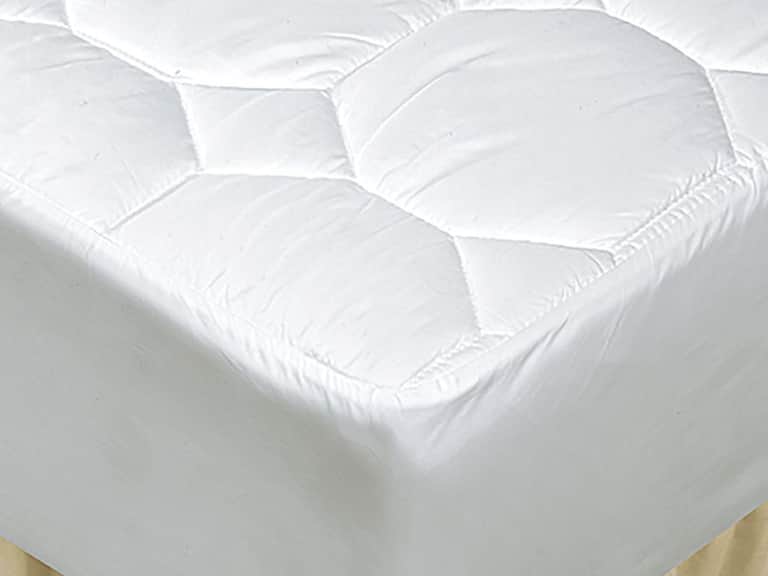
A well-chosen mattress still needs appropriate care. Follow the care instructions for your specific model, use a suitable foundation, and confirm whether the manufacturer recommends rotation or another routine. Avoid assuming that every mattress should be flipped; some are designed with a particular top and bottom. A mattress protector can help guard against everyday spills and wear, but check that its fit and surface do not interfere with the comfort you chose.
Durability depends on materials, construction, use, maintenance, and the conditions of the bedroom. No mattress lasts forever, and a high price alone cannot guarantee an ideal match or a particular lifespan. Consider the complete cost: delivery, setup, an appropriate foundation, bedding, and the policies that protect you if the feel is not right. A thoughtful purchase is not necessarily the most elaborate option; it is the one whose design and practical terms make sense for your household.
The considered verdict
Pocketed coils offer a particular kind of mattress architecture: individual springs designed to respond locally, paired with comfort materials that shape the surface and overall feel. That structure can be attractive to sleepers seeking a responsive, supportive bed, and it may help limit the spread of movement compared with some connected spring systems. Yet no feature works in isolation. Motion, edge stability, cushioning, and pressure relief emerge from the full construction.
When exploring a Vispring mattress, let the name open the conversation, not end it. Compare the model’s verified specifications, test the feel in your own sleeping position, and be candid about what matters most—especially if you share the bed. Measure your Chicago home’s access points and bedroom, review delivery and trial policies, and give yourself time to make a decision without rushing toward a firmness label.
The most successful mattress is not the one with the most impressive-sounding description. It is the one that feels comfortable, supports your preferred way of sleeping, fits your space, and makes sense for the people who will use it night after night.
Frequently asked questions
Are pocketed coils better than traditional innersprings?
Neither construction is automatically better for everyone. Pocketed coils move more independently than many interconnected spring systems, while the comfort layers and complete design determine the mattress’s overall feel. Compare specific models and test them in person when possible.
Do pocketed coils prevent motion transfer?
They may reduce how much movement travels across the bed, but they do not eliminate it. The spring design, comfort layers, mattress firmness, and the movement itself all contribute. Couples should test a mattress together and review the available trial terms.
Does a higher coil count mean a more supportive mattress?
Not necessarily. Coil count is only one specification and does not, by itself, explain spring design, tension, comfort layers, or how the mattress feels. Consider the full construction and whether it suits your body and preferences.
How do I know whether a Vispring mattress is right for me?
Start with your preferred sleeping position, firmness feel, temperature comfort, and whether you share the bed. Then examine the exact model’s current specifications, test it in person if possible, and confirm the delivery, exchange, and care details before deciding.