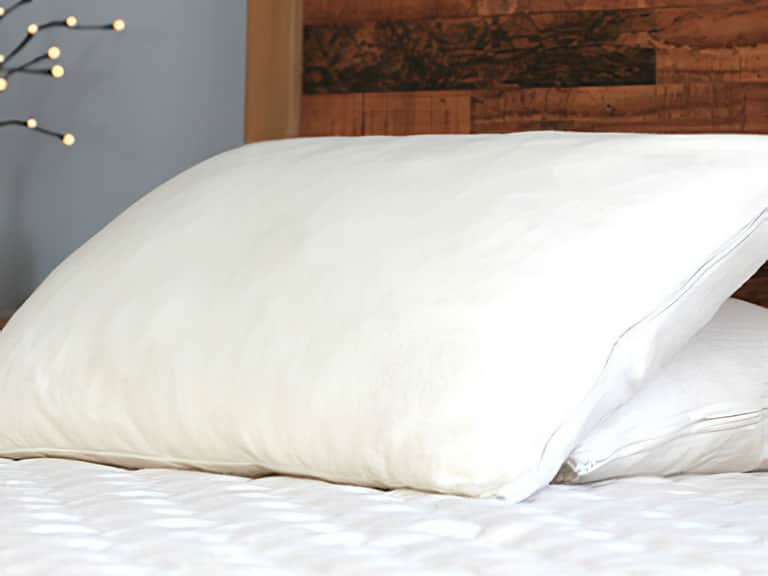
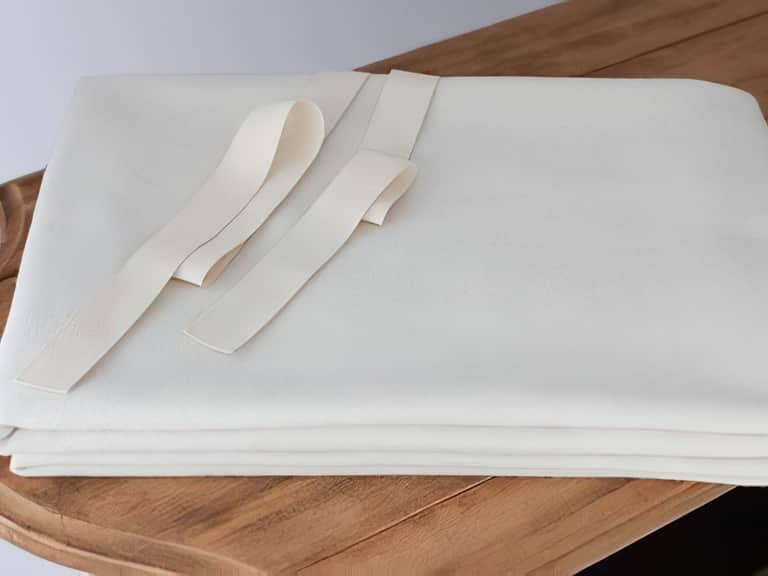
Bedding • Materials Guide
Silk Mattress Pads: Lightweight Comfort and Temperature Management
A silk-filled mattress pad brings a quieter kind of luxury to the bed: a delicate layer of cushioning, a smooth hand, and less bulk than many traditional fills. For sleepers who want to refine the feel of a mattress without transforming it, silk may be an appealing middle ground between protection and plushness.
Its allure is not simply about sheen or romance. In bedding, silk is prized for its lightness and ability to manage moisture, qualities that can help a sleep surface feel more balanced. Still, the word “silk” alone does not tell you how a pad will perform. Construction, cover fabric, attachment, fit, and care all shape the experience. Here is how to assess a silk mattress pad with both discernment and practicality.
What a silk mattress pad does—and what it does not
A mattress pad is a relatively slim bedding layer placed over the mattress and beneath the fitted sheet. Depending on its construction, it can provide light cushioning, help shield the mattress from everyday contact, or add a small degree of softness. A silk-filled version is generally chosen for subtle comfort rather than a dramatic change in firmness or contour.
That distinction matters. A thick topper is designed to noticeably alter the bed’s feel, potentially adding pressure relief or changing how deeply the body settles. A pad is more restrained. It may soften the first impression of a firm surface, but it is not a substitute for a mattress that offers inadequate support or is no longer comfortable. If you are waking with persistent pain or significant discomfort, consider the mattress itself and seek appropriate professional advice rather than expecting a thin layer to solve the issue.
Silk fill is valued for being light and relatively fine in feel. Compared with some lofty synthetic or down-like fills, it can create a more understated layer, making it a reasonable option for someone who wants a bed to remain recognizably their own. The precise effect depends on the amount and arrangement of fill, the fabric enclosure, and how the pad is secured.
Why silk appeals to warm and comfort-conscious sleepers
Temperature comfort is personal, and no bedding material can promise that every sleeper will feel cool. Yet the combination of a lightweight fill and moisture management is part of silk’s appeal. Silk fibers can absorb and release moisture, helping the bedding system feel less clammy when warmth or perspiration builds overnight. That does not mean a silk pad actively cools the body like a powered device; it means its material qualities may contribute to a more comfortable, less heavy-feeling sleep surface.
For those who dislike the enveloping sensation of a thick pad, silk can be an attractive alternative. It can add a soft buffer between the mattress and sheet without creating a visibly lofty layer. The result is often more about refinement than reinvention: a gentler surface, a touch of cushioning, and a bed that keeps its original character.
Chicago’s seasons make flexible bedding useful. Winter bedrooms may call for more insulating layers, while warmer months can make heavy, dense bedding feel cumbersome. A light pad can work as one part of a seasonal system, paired with sheets and blankets that can be adjusted independently. The right choice still depends on room temperature, mattress construction, sleepwear, and individual comfort; a material should be assessed as part of the whole bed rather than in isolation.
People who tend to sleep hot may also want to consider the cover and the rest of their bedding. A breathable pad cannot compensate for a heat-trapping mattress protector, dense duvet, or poorly ventilated room. Lightweight sheets, adequate airflow, and a comfortable bedroom temperature can matter just as much as the fill beneath the fitted sheet.
How to compare silk mattress pad construction
Two pads described as silk-filled may differ in meaningful ways. Read the materials information carefully, and look beyond the front-of-package description. The following details help reveal whether a particular design fits your priorities.
- Fill composition: Confirm that the filling is silk, and check whether it is blended with other fibers. A blend may affect loft, feel, price, and care requirements.
- Cover fabric: The outer shell touches the fitted sheet and helps contain the fill. Cotton is a common option; its weave and weight can influence breathability, softness, and durability.
- Fill distribution: Quilting, channels, or other stitching can help keep filling in place. Look for construction that appears designed to reduce shifting and uneven patches over time.
- Thickness and loft: A low-profile pad is likely to make a subtler difference than a lofty one. Product dimensions and construction notes can help set realistic expectations.
- Edge and corner design: Elastic skirts, fitted pockets, and corner straps secure a pad in different ways. The best arrangement depends on mattress depth and how much movement the bed experiences.
- Care instructions: Silk-filled bedding may require more careful maintenance than a basic cotton pad. Establish whether the item is washable, spot-clean only, or intended for professional cleaning before buying.
Transparency is a useful quality signal. A clear product description should identify materials, dimensions, compatible mattress depths, and care guidance. If those details are missing, ask the seller or manufacturer before making a decision, particularly if laundering convenience or allergy considerations are important to your household.
Pad, topper, protector: know the difference
These terms are sometimes used loosely, but they point to different functions. A mattress protector is primarily intended to guard against spills, dust, or ordinary wear. Waterproof models include a barrier; breathable protectors aim to provide coverage while allowing airflow. A mattress pad generally adds a modest amount of cushioning and may offer some protection from daily use. A topper is usually thicker and more likely to alter the mattress’s firmness, contour, or pressure-relieving feel.
A silk mattress pad should not automatically be assumed to be waterproof or stainproof. If liquid protection is a priority, check the product’s stated performance rather than relying on its material name. A household may choose to layer a pad with a separate protector, but the order and compatibility should follow the product makers’ instructions. Extra layers can affect airflow, surface feel, and the way fitted sheets sit.
It is also worth considering the mattress warranty. Some manufacturers specify what kinds of protection or care are appropriate, and unsuitable cleaning methods or moisture exposure may create problems. Keep the product instructions and mattress guidance together, especially if the bed is new or still covered by a warranty.
Measure for a secure, smooth fit
A refined bed begins with a layer that stays put. Before choosing a pad, confirm the mattress size and measure its depth, including any existing topper or permanent pillow-top. Standard names such as queen or king are useful starting points, but mattress profiles vary. A pad that is too shallow may pull at the corners or ride upward; one that is overly generous can bunch beneath the sheet.
Check how the pad attaches. A fitted skirt resembles a fitted sheet and wraps around the mattress. Corner straps stretch over the corners and may suit mattresses of differing profiles, though they can shift more readily depending on the design. A flat pad with ties or another attachment method has its own fit considerations. Read the stated maximum depth and compare it with the actual measurement rather than relying on the size label alone.
For renters or residents of compact Chicago apartments, it can also help to think about the full bed setup before ordering. If the mattress sits in a tight frame, on a platform, or beneath a low headboard, extra height from several bedding layers may change the bed’s proportions. A slim pad is often easier to incorporate without altering the silhouette or making fitted sheets difficult to secure.
Care expectations: the practical side of silk
Care is one of the most important parts of choosing a silk-filled pad. The correct method depends on the exact fiber, shell, stitching, and construction, so the manufacturer’s label should always take precedence over general advice. Do not assume that a product can be machine washed simply because another silk bedding item can.
If cleaning is limited to spot treatment or professional care, consider whether that arrangement fits your household. Children, pets, frequent guests, and a tendency toward spills may call for a more easily laundered protective layer. Some shoppers prefer to use a washable protector above a delicate pad, but this can change the surface feel and should be checked for compatibility. Avoid bleach, high heat, or aggressive detergents unless the instructions explicitly permit them.
Routine maintenance can be simple: keep the pad covered with a clean fitted sheet, air the bed when convenient, and address spills promptly according to care directions. If the product allows washing, follow its temperature and drying guidance closely. Excessive heat or rough handling can damage delicate fibers and stitching. When in doubt, contact the manufacturer before laundering; a cautious question is preferable to an irreversible cleaning mistake.
Storage matters, too. A clean, completely dry pad should be stored in a breathable container or fabric bag in a dry place. Avoid compressing delicate bedding for long periods if the maker advises against it. Clear care instructions are not a minor detail—they are part of the product’s value and the key to maintaining its feel over time.
Silk compared with other bedding fills
Silk is not the only route to a lighter, more comfortable bed. Comparing it with other common materials can help clarify what you are seeking.
- Cotton: Often valued for its familiar feel and straightforward care, cotton pads vary widely in thickness and quilting. They may suit shoppers who prioritize washability and everyday practicality.
- Wool: Wool is commonly selected for its natural temperature and moisture-management qualities. Wool pads can have a more substantial or textured feel, and care instructions vary by design.
- Down or down alternative: These fills can create a noticeably lofty, cushioned surface. They may appeal to those who want a plush layer, though the resulting profile can be bulkier than that of a slim silk pad.
- Foam: Foam toppers are typically chosen to change contouring or pressure relief more distinctly. They may alter the mattress’s feel more than a lightly filled textile pad.
There is no universal winner. A silk mattress pad may be especially compelling when the brief is “soften, but do not remake.” If the goal is a substantial comfort adjustment, a topper may be more appropriate. If the concern is spill protection, look for a product that explicitly describes a protective barrier. The most useful choice begins with the job the layer needs to do.
Who might appreciate a silk-filled mattress pad?
Silk may suit sleepers who prefer a relatively smooth, lightweight surface and do not want a thick layer to change their mattress. It can also appeal to people who value natural fibers and are comfortable following specific care requirements. Because preferences are individual, these are starting points rather than guarantees of comfort.
It may be less suitable for someone seeking deep cushioning, a pronounced change in firmness, or uncomplicated machine washing. Those priorities may point toward a different pad or topper. A person with a known sensitivity should review the full fiber and shell composition, not simply the headline material, and consult a healthcare professional where appropriate. Bedding can support comfort, but it is not a treatment for allergies, pain, or sleep disorders.
If possible, review the return policy and product details before purchasing. The feel of a material is difficult to judge from a description alone, and a return window may offer valuable flexibility. Pay attention to whether the item must be unused, how it must be repacked, and whether return shipping is the customer’s responsibility.
A considered buying checklist
Before settling on a silk mattress pad, use this short checklist to bring the decision into focus:
- Decide whether you want light cushioning, mattress protection, a temperature-conscious layer, or some combination.
- Measure mattress width, length, and depth, including any topper already in place.
- Verify the fill, shell fabric, stitching, and attachment style.
- Read the care label and decide whether its requirements suit your routine.
- Check that sheets will fit the combined depth of the mattress and pad.
- Confirm the return policy and any relevant mattress warranty guidance.
- Remember that a pad is not necessarily waterproof unless the product explicitly says so.
Frequently asked questions
Does a silk mattress pad keep you cool?
Silk’s lightness and moisture-managing qualities may help the bed feel less heavy or damp, but no textile can guarantee a cool night for every sleeper. The mattress, room, sheets, duvet, and personal comfort all play a role.
Will a silk pad change the firmness of my mattress?
Usually, a pad is intended to make a modest change rather than transform firmness. The degree of softness depends on its thickness and fill. For a more noticeable change in pressure relief or contour, compare mattress toppers instead.
Is a silk mattress pad waterproof?
Not necessarily. Silk fill does not itself indicate a waterproof barrier. Check the product specifications and choose a purpose-made waterproof protector if spill protection is essential.
Can I wash a silk-filled pad at home?
It depends on the specific product. Follow the care label exactly; some silk-filled designs may require special handling or professional cleaning. Never assume that machine washing is safe without confirmation from the maker.
The quiet luxury of a lighter layer
A silk mattress pad is best understood as a considered finishing layer: understated, light, and more about subtle comfort than dramatic transformation. Its appeal lies in the possibility of adding a soft buffer while preserving the underlying character of the mattress. For shoppers drawn to temperature-managing bedding, it offers a material worth investigating—but the fine print matters as much as the fiber itself.
Compare construction, confirm the fit, and be honest about how much care you are prepared to give the bedding. When those details align with your preferences, a silk-filled pad can bring a measured sense of softness to the bed: an intimate, practical luxury that is felt each night rather than announced.